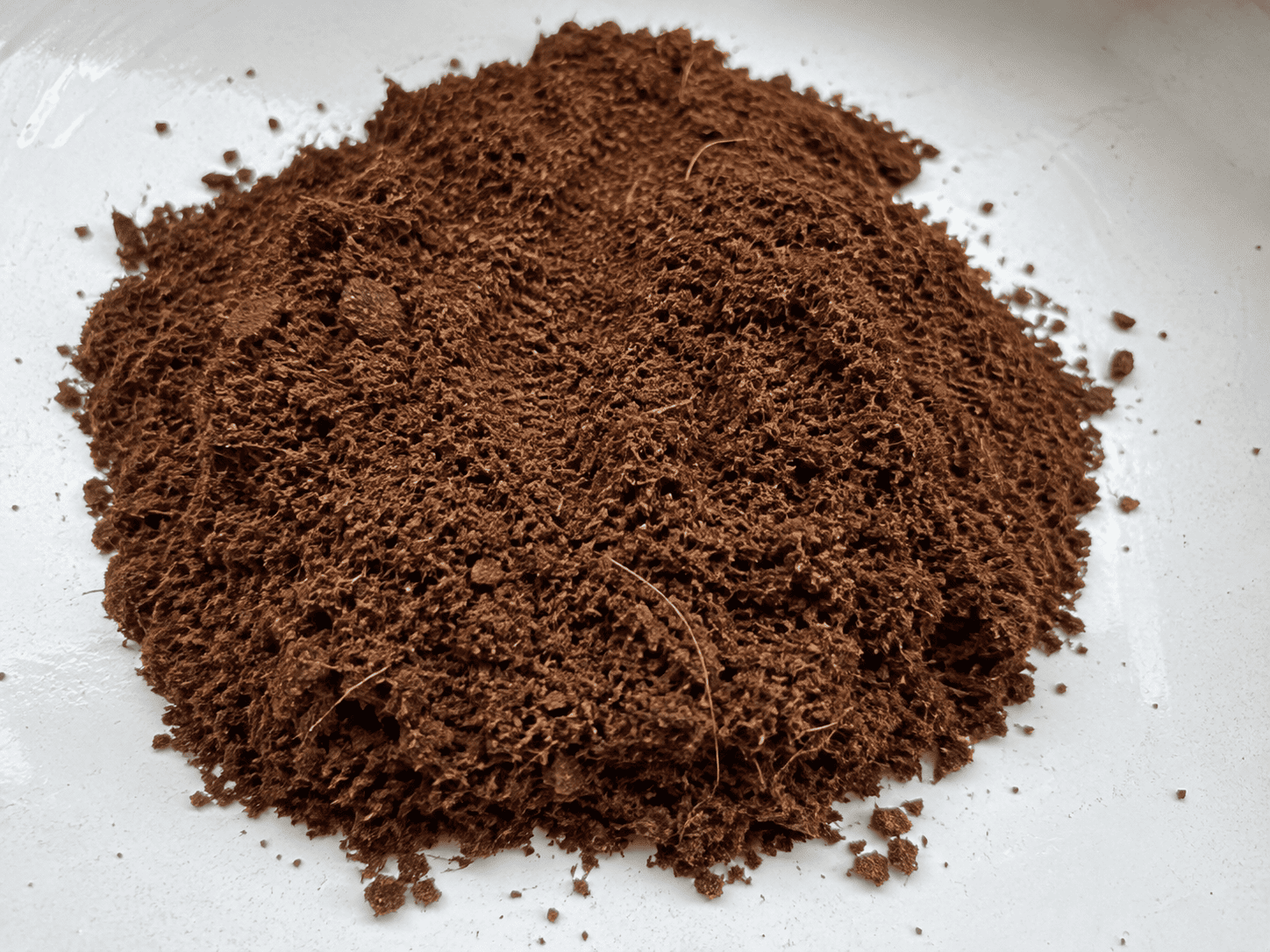
What is coco peat made of, exactly? It looks like a simple, fine brown material sold in compressed blocks, but the production process involves several stages. In particular, one issue rarely gets explained: tannin content, which can determine whether a batch performs well or poorly once it reaches a grower. Here is what actually happens between husk and growing medium, and why it matters for buyers.
What Is Coco Peat Made Of? From Husk to Growing Medium
To understand what coco peat is made of, it helps to walk through the six distinct stages a batch goes through before it reaches a buyer, each one affecting the final quality of the material.
Husking and Collection
Producers harvest coconuts primarily for their meat, oil, and water. They then separate and collect the husk, the fibrous outer layer, as a byproduct rather than growing it specifically for this purpose.
Retting or Soaking
After collection, workers soak the husks in water, traditionally for several months in some producing regions, to soften the fibrous material and begin breaking down compounds that would otherwise interfere with plant growth.
Fiber Extraction
Next, producers feed the soaked husks into a defibering or decorticating machine, which separates the long coir fibers (used for rope, mats, and brushes) from the finer pith, the material that becomes coco peat.
Drying
Once fiber extraction is complete, producers dry the separated pith, either naturally in the sun or using mechanical dryers, to reduce moisture content to a level suitable for handling and further processing.
Sieving and Grading
After drying, workers sieve the pith to remove debris and separate material by particle size, producing the different grades used for hydroponics, greenhouse mixes, and general potting applications, consistent with the grade differences covered in our guide to coco peat applications.
Compression and Packaging
Finally, producers compress the graded coco peat into blocks, briquettes, or bricks for export, dramatically reducing shipping volume before it expands again once rehydrated at its destination.
The Tannin Problem Most Guides Skip
Fresh coconut dust naturally contains tannins and related polyphenol compounds, the same category of compounds found in tea, wine, and many plants. However, left untreated, these compounds can suppress seed germination and stunt root development, which matters a great deal to a buyer who assumes any coco peat block will perform the same once rehydrated.
A Korean patent filing on tannin-reduction methods in coco peat production, KR102056285B1, documents this issue directly and describes two approaches producers use to address it:
Aging
The traditional method used in producing regions like India and Sri Lanka, where husks are soaked in water for three to six months, allowing tannins to leach out naturally before fiber extraction.
Accelerated Washing
Producers rinse the dust with water multiple times after processing to remove residual tannins more quickly than the traditional aging method.
The patent's own testing data illustrates the effect clearly:
Higher germination rate for dust washed five times, compared to untreated dust in the same trial.
Higher germination rate for dust washed ten times, along with a substantial increase in root length.
This is also why washed versus unwashed coco peat, a distinction covered in our main coco peat guide, matters beyond just salt content. Proper washing addresses both EC levels and tannin content at the same time, which is part of why washed, low-EC coco peat is the standard recommendation for sensitive applications like seed germination and hydroponics. Understanding what coco peat is made of, in other words, is what lets a buyer ask the right questions before purchasing.
What This Means for Quality Control
Therefore, once a buyer understands what coco peat is made of and how tannins factor into that process, it translates into a few practical questions worth asking a supplier directly:
- How is tannin content managed during processing? A supplier who cannot answer this, or who is unfamiliar with the question, may not be controlling for it consistently
- Is the product aged, washed, or both? Different producing regions and processors default to different methods, and this affects both cost and consistency
- Is there batch testing for germination or root development, not just pH and EC? These are separate quality indicators, and a batch can pass EC testing while still underperforming due to residual tannins if processing was rushed
This connects to the broader documentation buyers should expect from a serious exporter, covered in more detail in our guide to coco peat export standards.
Sourcing Properly Processed Coco Peat
Now that you know what coco peat is made of and how tannin content is managed along the way, Cocovex processes coco peat in Indonesia with washing and quality control steps designed to address both salinity and tannin content before compression and export. Explore our coco peat block products for specifications, or get in touch to discuss processing requirements for your application.
Ready to Source?
Get Properly Processed Coco Peat, Direct from Indonesia
Request a sample, get a custom quote, or speak with our export team about processing requirements for your application.