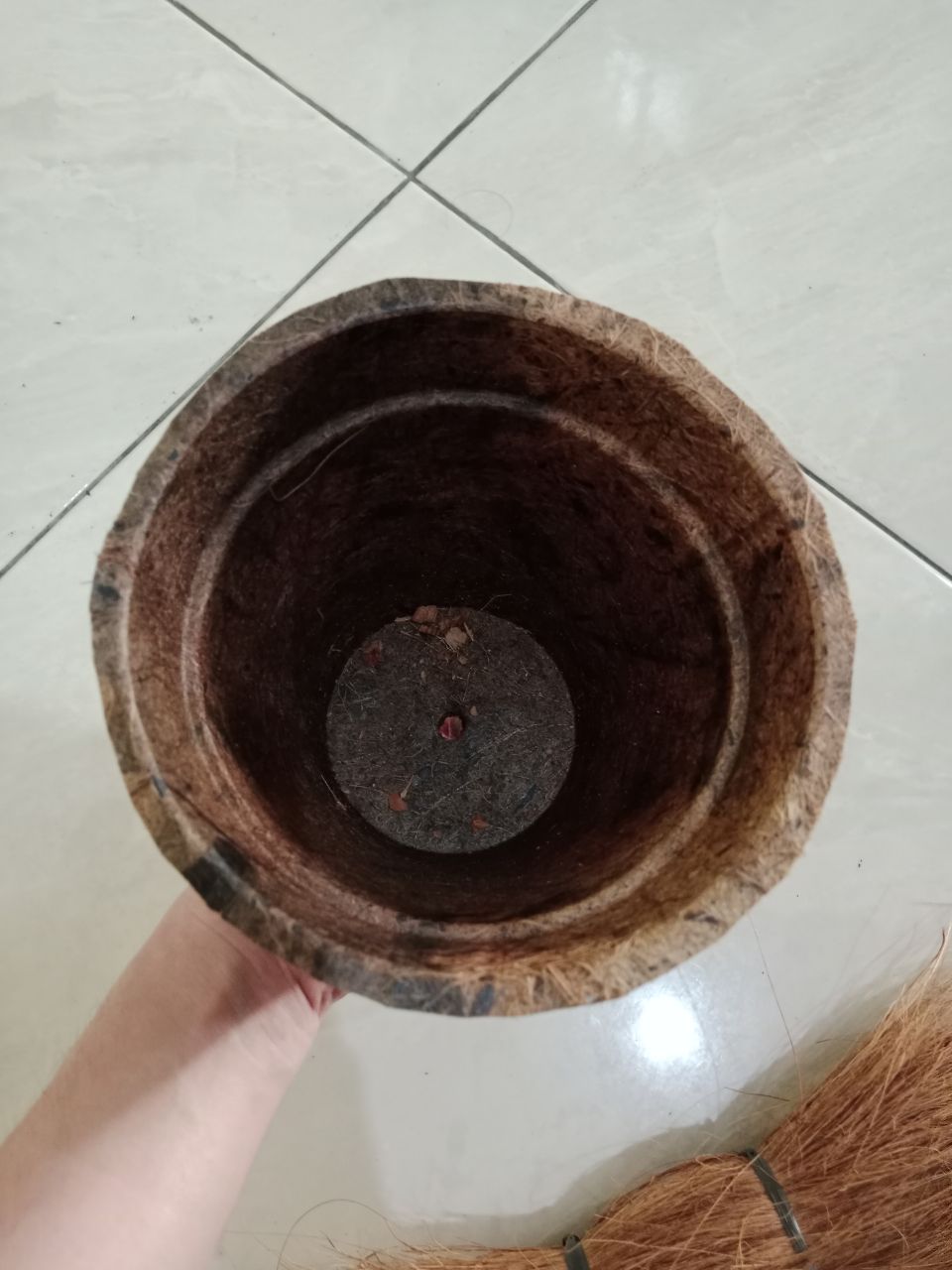
Used incorrectly, even a well-made biodegradable pot can slow root establishment rather than help it. Here is how to match the container to the plant, and how to plant it correctly once you have.
Match the Container Material to the Plant
Not all biodegradable pots are built for the same job. Fine Gardening, in a guide written by Bodie Pennisi, a professor and extension landscape specialist at the University of Georgia College of Agriculture, pairs different biocontainer materials with the plants they suit best based on decomposition speed and strength.
Cow Manure Pots
Decompose relatively quickly and suit annuals and vegetable transplants.
Recycled Paper Pots
Cover a broader range, suiting annuals, perennials, and vegetable transplants.
Coconut Coir Pots
Paired with perennials and woody plants, which stay in the container longer and need a structure that will not collapse before the root system is established.
Pennisi is direct about the limits of the underlying research here: cow pot decomposition has been studied in depth (up to 88 percent decomposition for annuals in Southeast US field trials), but for longer growing cycles and larger plants like shrubs, she notes that research is limited. The coir-for-perennials pairing reflects practical horticultural guidance from an extension specialist rather than a controlled study result, which is worth keeping in mind: it is a credible recommendation, not a proven finding.
Using a fast-degrading paper pot for a slow-growing woody perennial risks the container breaking down before the plant is ready. Using a coir pot for a fast-growing annual is not wrong, but it is unnecessarily durable for the job.
Planting Directly vs. Removing the Pot
Most biodegradable pots, including coir, are designed to be planted directly into the ground or a larger container without removing the plant first. A few practical steps improve the outcome.
Soak the Pot Thoroughly Before Planting
A dry coir pot resists water and can wick moisture away from the root ball if planted dry, so soaking it first helps it integrate with the surrounding soil moisture rather than compete with it.
Score or Cut the Pot Walls Before Planting
Especially for denser pots. Fine Gardening's guide notes that for stronger biocontainers, making four long cuts down the sides before planting is enough to encourage roots to grow outward into the surrounding soil rather than circling inside the container.
Bury the Pot Rim Slightly Below the Soil Surface
Coir pot walls that remain exposed above the soil line can act as a wick, drawing moisture out of the root zone through evaporation, which dries out the plant faster than expected.
Water Consistently After Planting
The surrounding soil needs to stay moist enough to support the pot's own decomposition alongside the plant's root growth.
When Removing the Pot Makes Sense
Direct planting is standard practice, but it is not universal. For certain edge cases, removing the pot (or cutting it away) before planting is worth considering.
- Very dry or arid climates, where the coir material may not break down reliably even after planting, potentially restricting root expansion longer than intended
- Container-to-container transplanting, where the plant is moving to another pot rather than into the ground, and the coir pot has already served its purpose
- Plants with aggressive, fast-growing root systems that may outpace the pot's decomposition rate regardless of scoring
What This Means for Nursery and Bulk Buyers
For nurseries selecting biodegradable pots for a specific crop line, matching container durability to plant type is a sourcing decision, not just a planting technique.
- Confirm which pot grade suits the crop's growing cycle. A denser, slower-degrading coir pot is generally the better fit for perennials, shrubs, and other longer-cycle stock, consistent with the grade considerations covered in our guide to coco pot sizes and grades
- Provide planting instructions to end customers, particularly the soaking and scoring steps, since a pot used incorrectly can create the impression that the product underperforms when the real issue was planting technique
- Test decomposition timing under your actual growing conditions, since climate and soil moisture affect the pot as much as the manufacturer's specifications do
Sourcing Coco Pots for Your Nursery
Cocovex supplies coco pots manufactured in Indonesia suited to a range of crop cycles. Get in touch to discuss which grade fits your growing timeline and application.
Ready to Source?
Get Coco Pots, Direct from Indonesia
Request a sample, get a custom quote, or speak with our export team about which grade fits your growing timeline and application.