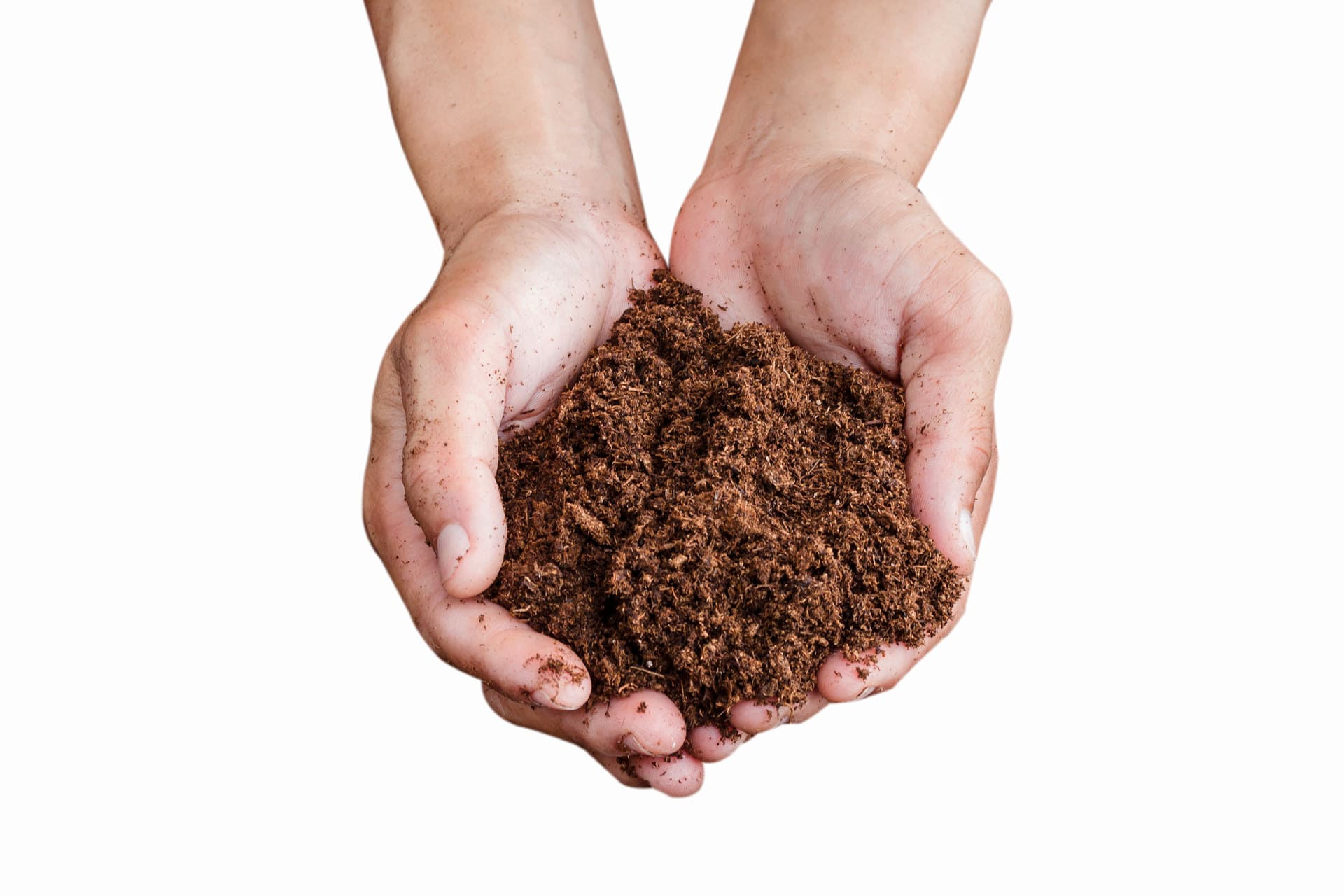
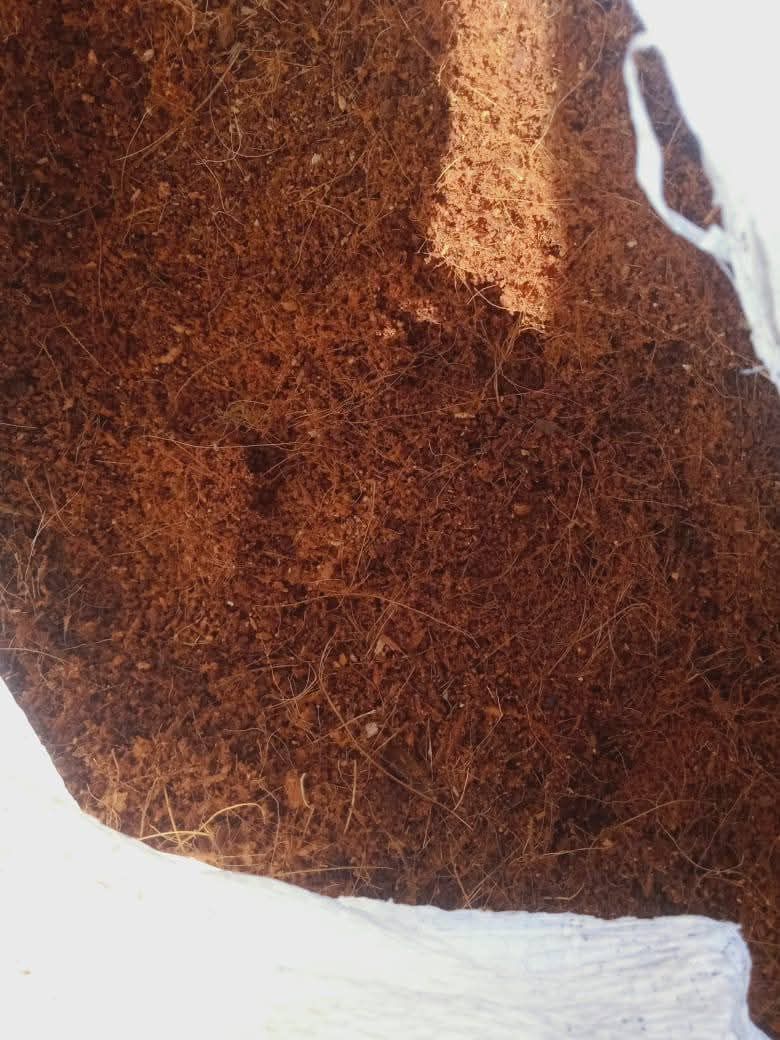
Choosing between coco peat vs peat moss is no longer just a matter of gardening preference. Instead, it has become a sourcing decision shaped by regulatory pressure, supply constraints, and sustainability commitments from retailers, all of which are pushing commercial growers toward coco peat faster than general gardening advice usually reflects. Below is what buyers and growers should understand before deciding between the two.
Why This Comparison Matters More Than It Used To
First of all, this is no longer purely a "which works better" question. In England, for example, the government confirmed a ban on the retail sale of peat products to amateur gardeners, with a separate timeline restricting peat use in the professional horticulture sector, according to an official announcement from the UK Government, published via GOV.UK. Similarly, other European markets, including the Netherlands and Germany, have signaled comparable movement away from peat in commercial growing media.
As a result, for buyers supplying or operating in these markets, coco peat is not just an alternative worth considering. In fact, it is increasingly becoming the default requirement.
Peat Moss vs Coco Peat: Pros, Cons, and What Each Solves
To begin with, peat forms over centuries as decomposed plant material accumulates in acidic, waterlogged bogs. Consequently, extracting it disturbs a wetland ecosystem that would otherwise take generations to reform.
Peat Moss
According to a fact sheet on coconut coir versus peat moss published by Washington State University Extension, peat moss aerates soil well and is generally easy to source in North America, since most US peat comes from Canada rather than overseas.
However, the same fact sheet notes that peat moss is more acidic than most garden plants prefer and is hydrophobic once it dries out, meaning it becomes difficult to rewet, which can create irrigation management challenges at commercial scale.
In addition, The Wildlife Trusts, a UK conservation organization, estimates that peat extraction for horticulture has released up to 31 million tonnes of CO2 since 1990, according to The Wildlife Trusts' own coverage of the UK peat ban.
Coco Peat
By contrast, the WSU Extension fact sheet describes coconut coir (coco peat) as a readily renewable, pH-neutral soil amendment that is less hydrophobic than peat, meaning it rewets more easily once dry.
It also notes that coco peat's cation exchange capacity, its ability to hold and supply nutrients to plant roots, is generally higher than peat's, and that compressed bricks or blocks reduce shipping and storage volume significantly before being rehydrated on site.
That said, the same source is candid about the tradeoffs: coco peat can be harder to source in bulk than peat moss, and it generally ships from overseas, mainly Indonesia, Sri Lanka, and Vietnam. Even so, salt content, which used to be a concern with early coir products, is largely resolved by current processing methods, consistent with the washing and EC-testing practices covered in our guide to coco peat.
Side-by-Side Comparison
| Factor | Peat Moss | Coco Peat |
|---|---|---|
| Renewability | Limited, extraction-based | Renewable, byproduct of coconut industry |
| pH | More acidic | Closer to neutral |
| Rewetting after drying | Difficult (hydrophobic) | Easier |
| Cation exchange capacity | Lower | Generally higher |
| Sourcing | Easier in North America (mainly Canada) | Requires import, mainly South/Southeast Asia |
| Regulatory trend | Facing sales restrictions in UK, pressure across EU | Positioned as compliant alternative |
| Shipping | Shorter distance in North America, but by truck | Longer distance, but by sea, similar overall cost per the WSU comparison |
What This Means for Sourcing Decisions
Therefore, for commercial growers and distributors operating in or supplying markets with peat restrictions already in place or under discussion, sourcing a reliable coco peat supply chain is becoming a compliance question, not just a sustainability preference. Specifically, a few practical implications stand out:
- Retailers increasingly require peat-free certification or labeling on growing media sold in markets like the UK, which affects what commercial growers can legally stock
- Supply chain reliability matters more as demand increases. As more growers switch, buyers who lock in a consistent, quality-tested supplier early are better positioned than those sourcing reactively
- Shipping cost is not necessarily a disadvantage. As the WSU comparison notes, sea freight from coir-producing countries can be cost-comparable to trucking peat moss domestically, since ocean transport is generally more fuel-efficient per unit shipped
Sourcing Coco Peat as a Peat Moss Alternative
In short, Cocovex supplies compressed coco peat blocks processed in Indonesia, tested for pH and EC consistency before shipment. For growers and distributors transitioning away from peat moss, whether for regulatory compliance or sustainability commitments, you can explore our coco peat block products or get in touch to discuss bulk sourcing for your market.
Ready to Source?
Get Export-Quality Coco Peat, Direct from Indonesia
Request a sample, get a custom quote, or speak with our export team about transitioning your supply chain from peat moss.